-
January 27, 2016 •
Mediepolitikk, Notisar •
by Thomas Schmidt
In the name of ‘freeing the local population from government control’, a group of armed men occupied a government building, entrenched themselves and blackmailed federal authorities. Patriots or terrorists? This question...
Read article
-
January 19, 2016 •
Mediepolitikk, Notisar •
by Caroline Lees
Facebook has launched a Europe-wide campaign to end hate speech and extremist posts on social media. The move came after German politicians complained about a rise in extremist and xenophobic comments on Facebook and other online...
Read article
-
January 14, 2016 •
Aktuelt, Mediepolitikk •
by EJO
EJO editors and directors, in ten European countries, assess the state of the media across Europe and predict the year ahead. Media across Europe have been impacted by the dramatic technological and political changes of the 21st century. ...
Read article
-
December 8, 2015 •
Aktuelt, Mediepolitikk •
by Halyna Budivska
Media in Ukraine has become a pawn in the game between different political forces, a new study concludes. And audiences have noticed: recent months have witnessed a sharp decline of public trust in the media. This crisis is only likely...
Read article
-
December 3, 2015 •
Mediepolitikk, Notisar •
by Lambrini Papadopoulou
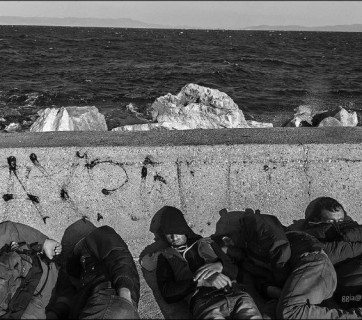
Europe’s migration crisis has transformed Greece into something more than just a transit country. Countless journalists from media all over the world have travelled to the islands and the borders to witness the arrival of nearly 700,000...
Read article
-
December 2, 2015 •
Mediepolitikk, Notisar •
by Ville Seuri
There are few views that are more unanimously shared by all European journalists than this: it is close to impossible to report well on the European Union. The bureaucratic monster only makes great news when it fails, and even then either...
Read article
-
November 17, 2015 •
Mediepolitikk, Notisar •
by Federica Cherubini
What is anonymity in the hyper-connected and hyper-traceable online world and does it have any value? The controversial issue of anonymity in the post-Snowden world and the way it is usually represented was discussed during a session at...
Read article
-
November 4, 2015 •
Mediepolitikk •
by Philip Di Salvo
For ten days, from November 2nd to 12th, Rome is hosting The 19 Million Project. The aim of the initiative is gathering journalists, coders, hackers and activists to discuss the media implications of the migration crisis and develop...
Read article
-
October 30, 2015 •
Mediepolitikk, Siste nytt •
by Jan Zielonka
The ruling party in Hungary, Fidesz, has persistently tried to transform public-service television into its propaganda tool, but seen rather perverse results. The more TV programmes played to the Fidesz tune, the less people watched it....
Read article