-
September 11, 2014 •
Journalistiske prosjekt •
by Susann Eberlein
An online network, aimed at helping journalists from all over the world to “find a story, find a colleague and find a couch” has been set up by three journalists in Berlin. Hostwriter aims to encourage collaboration between...
Read article
-
September 9, 2014 •
Digitale nyhende, Etikk & Kvalitet •
by Kellie Riordan
Legacy media organisations must adapt to the internet age or they may lose their younger audiences. Accuracy and impartiality still matter, but traditional media must learn to adapt to the tone and ethos of the open web, by introducing...
Read article
-
September 4, 2014 •
Etikk & Kvalitet •
by Tina Bettels
One of the main aims of the European Journalism Observatory (EJO) is to promote dialogue between media researchers and practitioners. On the occasion of the EJO’s 10th anniversary we will be presenting and discussing best practice...
Read article
-
September 4, 2014 •
Journalistiske prosjekt, Medieøkonomi •
by Miroljub Radojković
Broadcasting in Serbia is about to change. In July 2015 the country will switch to digital television, one of the last European countries to do so and three years behind schedule. The delay was due to a combination of the economic crisis...
Read article
-
August 27, 2014 •
Digitale nyhende •
by Beatrice Gatti
Social media has changed the way public service broadcasters in Europe interact with their audiences. It has enabled audiences to participate in public debate more easily and to contribute content, according to recent research. Yet,...
Read article
-
August 20, 2014 •
Etikk & Kvalitet, Forsking, Journalistiske prosjekt, Mediepolitikk •
by Paulina Pacula
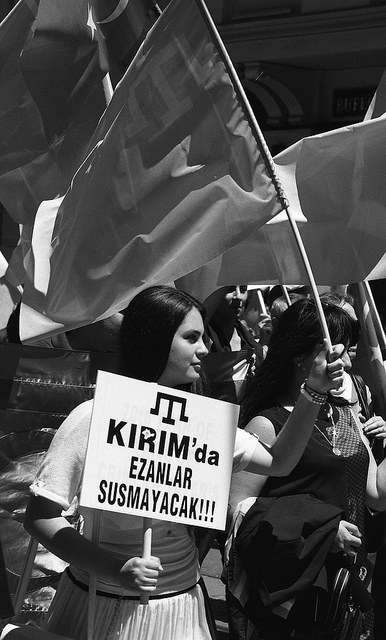
Europe’s media often ignores, or reports negatively, issues faced by minority groups and indigenous people, such as Crimean Tatars and Roma, according to human rights groups....
Read article
-
August 13, 2014 •
Journalistiske prosjekt •
by Daniela Kraus
User engagement is increasingly important to European media organizations. It is changing the way news is produced and consumed. Readers, listeners and viewers can now communicate directly with news providers. Newsrooms can also interact...
Read article
-
August 5, 2014 •
Journalistiske prosjekt •
by Tina Bettels
”What we do is not actually journalism” is the catchy title of a study into how online journalists in Slovenia and Serbia perceive their work and their professional role within the newsroom. The study’s title – a quote by...
Read article
-
July 28, 2014 •
Journalistiske prosjekt •
by Stephan Russ-Mohl
The only way to respond to the ever-speaking, often-misleading and hyper-reacting world of Internet propaganda, it appears, is to establish a fact-checking website. These sites are set up to challenge spam, propaganda, misinformation and...
Read article