-
November 9, 2015 •
Aktuelt, Forsking •
by EJO
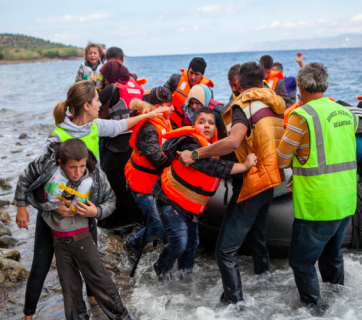
Western European newspapers became significantly more sympathetic towards migrants and refugees immediately after photographs of a drowned boy on a Turkish beach were published at the beginning of September, but within one week most had...
Read article
-
November 5, 2015 •
Etikk & Kvalitet, Notisar •
by Caroline Lindekamp
Journalism training is falling behind the reality of the profession, according to a new study on the future of journalism in Germany. The report, produced with the German Federation of Journalists (DJV), represents a warning to the media...
Read article
-
November 4, 2015 •
Mediepolitikk •
by Philip Di Salvo
For ten days, from November 2nd to 12th, Rome is hosting The 19 Million Project. The aim of the initiative is gathering journalists, coders, hackers and activists to discuss the media implications of the migration crisis and develop...
Read article
-
October 30, 2015 •
Mediepolitikk, Siste nytt •
by Jan Zielonka
The ruling party in Hungary, Fidesz, has persistently tried to transform public-service television into its propaganda tool, but seen rather perverse results. The more TV programmes played to the Fidesz tune, the less people watched it....
Read article
-
October 27, 2015 •
Digitale nyhende, Etikk & Kvalitet •
by Michael Haller
Let me take you back to 3rd December 2013: Alan Rusbridger, editor-in-chief of The Guardian, testifies before the House of Commons’ Home Affairs Committee. It was to become a tense 78-minute interrogation on his newspaper’s decision to...
Read article
-
October 26, 2015 •
Journalistiske prosjekt, Siste nytt •
by Ian Hargreaves
The UK’s hyperlocal (community) journalism scene has long provoked strikingly contending judgments. Doubters see it as amateurish, fragile and of little relevance to ‘real’ journalism. Supporters believe it has already built the base...
Read article
-
October 23, 2015 •
Digitale nyhende, Siste nytt •
by Caroline Lees
Most Europeans now access news online, yet traditional news sources – particularly television – remain important. This has created a crowded news landscape, with newspaper, broadcaster, and digital-born brands competing for...
Read article
-
October 21, 2015 •
Mediepolitikk, Siste nytt •
by Michal Kus
Russian-speaking journalists working in Estonia believe they act as mediators between Estonians and Russian-speakers in the country, but do not feel they can represent the Russian minority or help them to socially integrate, according to...
Read article
-
October 16, 2015 •
Forretningsmodellar, Medieøkonomi •
by Caroline Lees
The Guardian newspaper is facing editorial cuts and job losses due to a slowdown in advertising sales – both print and online – according to an internal email written by David Pemsel, Guardian Media Group’s (GMG) new chief...
Read article