-
December 2, 2016 •
Aktuelt, Etikk & Kvalitet, Mediepolitikk •
by Suzanne Franks
‘Aways use the word ‘Africa’ or ‘Darkness’ or ‘Safari’ in your title.’ These are the opening words of a famous satirical essay by the the Kenyan writer Binyavanga Wainaina ‘How not to Write about Africa.’ It was...
Read article
-
November 30, 2016 •
Etikk & Kvalitet, Mediepolitikk •
by EJO
Independent fact-checking sites are being launched across Europe, to counter what is being described as the post-fact, or post-truth, society. A new report, by the Reuters Institute for the Study of Journalism, surveys the diverse and...
Read article
-
November 28, 2016 •
Etikk & Kvalitet, Pressefridom, Siste nytt •
by Anamaria Nicola
Over the past 16 years, a team of four sports journalists at Romania’s last remaining print sports newspaper, Gazeta Sporturilor, has been responsible for some of the country’s most devastating investigative journalism. Their articles...
Read article
-
November 14, 2016 •
Aktuelt, Mediepolitikk, Medieøkonomi •
by Andrew Jack
As Hillary Clinton found to her cost in the latest US presidential elections, emails remain a potent force in modern life. Partly because of the former Secretary of State’s reluctance to abandon her Blackberry for the government’s...
Read article
-
November 8, 2016 •
Forsking, Medieøkonomi •
by Rasmus Kleis Nielsen
A new Reuters Institute report has reviewed academic and stakeholder research on the relation between public service media and private sector media with regard to their political impact, social impact, and market impact. For the report...
Read article
-
November 7, 2016 •
Aktuelt, Forsking, Mediepolitikk •
by Thomas Schmidt
Journalists no longer just inform their audiences. They engage with their users. As a result, media outlets are pouring more resources into building the infrastructure for interaction. Audience engagement has become a priority in newsroom...
Read article
-
November 3, 2016 •
Aktuelt, Digitale nyhende, Pressefridom •
by Nouha Belaid
Internet use is growing across the Middle East as people gradually abandon traditional listening and viewing practices, according to new research. The 2016 Media Use in the Middle East study found that digital divides are narrowing, not...
Read article
-
October 28, 2016 •
Etikk & Kvalitet, Mediepolitikk, Siste nytt •
by Robert G. Picard
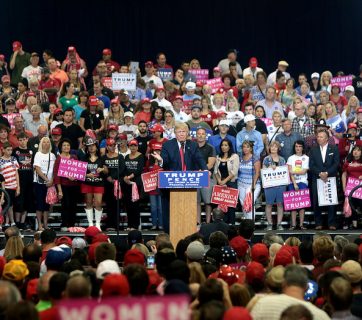
There are critical vulnerabilities in contemporary journalism practice that allow populist parties and their supporters to actively manipulate the press and subvert democratic processes. Journalists need to be aware and respond to these....
Read article
-
October 27, 2016 •
Aktuelt, Digitale nyhende, Forsking •
by Fabio Dotti
The digital age is changing the relationship between journalists and the public. The growing requirement for journalists to align themselves with a company ‘brand’ online is affecting objectivity and personal identity, according to...
Read article